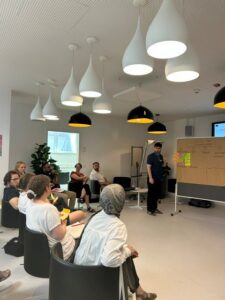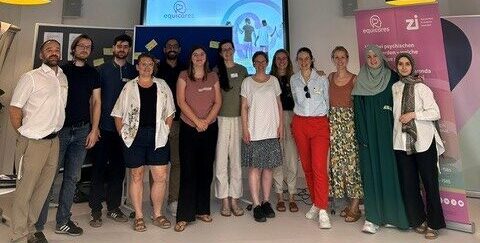
The EQUICARES Smart Health Lab (SHL) for the German pilot case, led by the Central Institute of Mental Health (ZI) in Mannheim, brought together mental health professionals, nurses, representatives from NGOs and psychosocial centres, community representatives and people with lived experience to collaboratively shape the future SHL and its role in providing more inclusive and accessible mental health support.
The 1st SHL co-creation workshop took place on 2 July 2026 at the Central Institute of Mental Health (ZI) in Mannheim, Germany, with the participation of several stakeholders representing different perspectives and areas of expertise. The diversity of participants, including a patient representative from the target group, ensured that the discussions reflected both professional knowledge and the experiences of people with direct experience of mental health support systems.
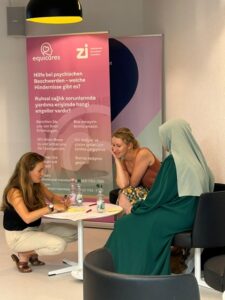
The co-creation workshop aimed to define the vision, mission, objectives and future direction of the Smart Health Lab, while ensuring that it responds to the needs of its target groups, particularly migrants and refugees facing barriers in accessing mental healthcare. Through interactive discussions and collaborative exercises, participants explored challenges related to access to care, possible governance structures, long-term sustainability and the identity of the future SHL.
The workshop started with an introduction to the EQUICARES project and the Smart Health Lab concept, followed by discussions on the main barriers experienced by migrants and refugees when seeking mental healthcare. Participants highlighted challenges such as difficulties navigating existing services, access barriers and the need for more inclusive and responsive support structures. The discussions also confirmed the relevance of previous findings identified within the project.
A significant part of the workshop focused on co-designing the governance structure of the Smart Health Lab. Participants discussed the roles and responsibilities of the Core Group, Lab Members and External Members, as well as expectations regarding collaboration and decision-making processes. The strong engagement of participants was reflected in their willingness to continue contributing to the SHL’s development through active involvement in future structures and activities.
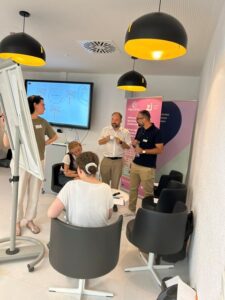
Participants also collaboratively developed an initial Lab Charter, defining shared vaues, principles and ways of working that will guide future cooperation. In addition, a creative gallery walk encouraged participants to propose ideas for the SHL’s name and identity, helping to build a sense of ownership and collective commitment among stakeholders.
The workshop created a strong foundation for the next stages of development of the German Smart Health Lab. The outcomes gathered from the discussions will support the refinement of the SHL’s structure, governance model and activities, ensuring that the future lab is shaped by the needs and perspectives of the communities it aims to serve. Through this participatory approach, EQUICARES continues to promote inclusive, community-driven and sustainable mental health support solutions.